There’s a moment a lot of us know too well—the moment you realize you can’t keep carrying it all by yourself.
Not because you’re weak. Not because you “failed.” But because you’re human.
Reaching out for help sounds simple when it’s written on a poster or said in a motivational speech. In real life, it can feel like trying to lift a boulder with shaking hands. It can feel embarrassing. It can feel risky. It can feel like admitting something you’ve spent years trying to hide.
And the truth is, asking for help can be one of the bravest things a person ever does.
Why Asking for Help Feels So Hard
A lot of people aren’t afraid of help—they’re afraid of what it means.
They’re afraid it means:
- “I’m not strong enough.”
- “I should be able to handle this.”
- “People are going to look at me differently.”
- “I’m going to be a burden.”
- “What if they don’t take me seriously?”
- “What if they leave?”
So instead, people stay silent. They isolate. They smile in public and fall apart in private. They push through another day running on fumes, convincing themselves they’ll “deal with it later.”
But later doesn’t always come the way we think it will. Sometimes later turns into deeper depression, worse anxiety, relapse, burnout, panic attacks, or complete emotional shutdown. Sometimes later turns into dangerous thoughts that scare you—even though you never wanted to get that low.
The Stigma Makes It Worse
Here’s the part that makes me mad sometimes: the stigma around mental health doesn’t just hurt feelings—it delays healing.
Stigma tells people:
- Mental illness is a character flaw.
- Therapy is for “crazy people.”
- Medication means you’re broken.
- Men shouldn’t cry.
- Real strength is doing everything alone.
- If you speak up, you’ll be judged.
And that stigma doesn’t just live “out there.” It gets inside us. It becomes the voice in our head that says, “Don’t say anything. Don’t let them know. Just suck it up.”
But mental health isn’t about “toughness.” If someone had a heart problem, we wouldn’t tell them to just “be stronger.” If someone had diabetes, we wouldn’t shame them for needing care. So why do we act like depression, PTSD, anxiety, addiction, or ADHD should be handled with pure willpower?
The stigma is a lie, and it keeps people trapped.
What Asking for Help Really Means
Asking for help doesn’t mean you’re weak.
It means you’re aware. It means you’re fighting for your life. It means you’re choosing growth over ego. It means you’re done pretending.
Sometimes asking for help is a phone call. Sometimes it’s texting someone, “Hey, I’m not okay.” Sometimes it’s sitting in a therapist’s office with your heart pounding. Sometimes it’s walking into a meeting. Sometimes it’s telling your doctor the truth. Sometimes it’s admitting you can’t do it alone anymore.
And that’s not weakness. That’s wisdom.
Start Small If You Have To
If the idea of “reaching out” feels overwhelming, start smaller than you think you’re allowed to.
Try:
- “Can I talk to you for a minute?”
- “I’ve been struggling and I don’t know what to do.”
- “I’m not in danger, but I’m not okay either.”
- “Can you check in on me this week?”
- “Can you help me find a therapist or resources?”
- “I don’t need you to fix it—I just need you to listen.”
You don’t have to spill your whole life story to deserve support. You can take one step. Then another.
The Right People Won’t Make You Feel Like a Burden
One of the biggest fears people have is being judged or dismissed. And sadly, some people do react poorly. That happens. But their reaction doesn’t mean your pain isn’t real—it just means they weren’t equipped to hold it.
The right people won’t shame you for struggling. They won’t call you dramatic. They won’t make you beg for basic compassion.
The right people will say:
- “Thank you for telling me.”
- “I’m here.”
- “Let’s figure this out together.”
And even if your circle is small right now, help still exists—professionals, support groups, hotlines, trusted community members, pastors, sponsors, friends you haven’t even met yet.
If You’re Reading This and You’re Struggling
Let me say this clearly: you don’t have to hit rock bottom to ask for help.
You don’t have to “earn” support by suffering more. You don’t have to be in crisis to deserve care. You don’t have to have the perfect words.
If something in you has been whispering, “I can’t do this alone,” listen to that voice. That voice isn’t weakness—it’s your survival instinct trying to lead you back to yourself.
A Simple Challenge
If you’ve been holding everything in, here’s a challenge that could change your week:
Pick one person.
Send one message.
Say one honest sentence.
That’s it.
Because reaching out isn’t about having it all together. It’s about refusing to let stigma keep you silent.
You are not alone. And you were never meant to carry this by yourself.
— Josh Bridges
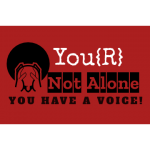
 YOU {R} NOT ALONE YOU HAVE A VOICE!