
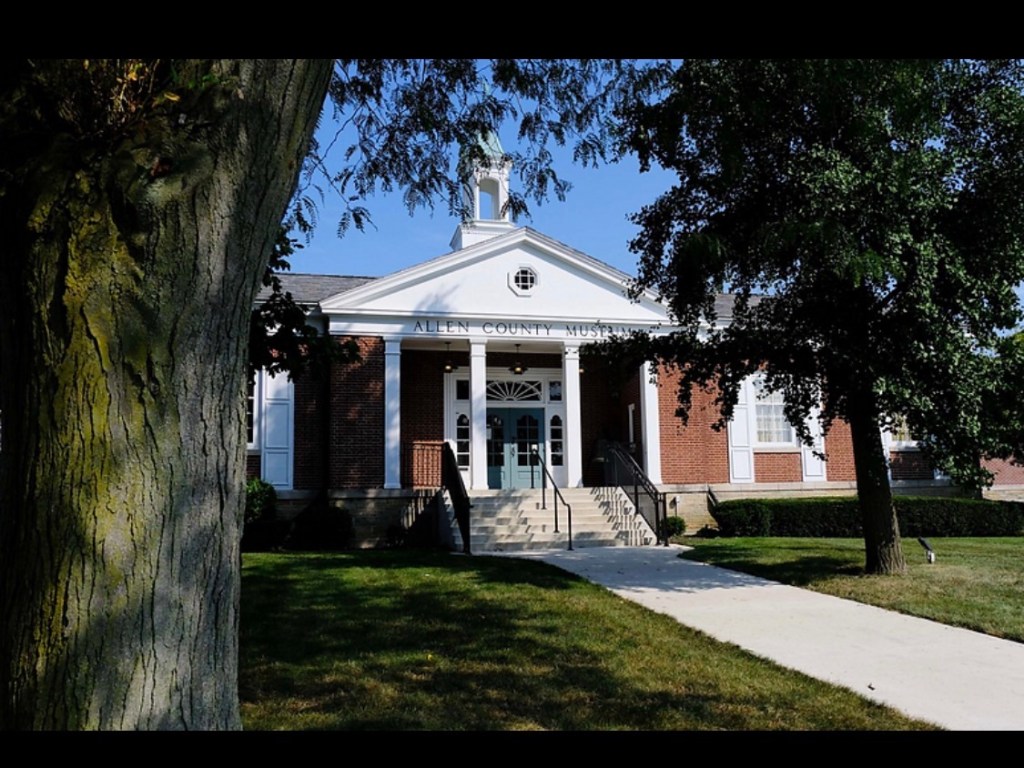
A behind-the-scenes look at why preserving history matters—and why this place is one of Lima’s best kept treasures.
When people hear “museum,” they sometimes picture a quiet building full of old stuff and dusty display cases. But working at the Allen County Museum in Lima, Ohio has shown me the truth: history is alive— and it’s way more interesting than most folks expect.
I’ve been here about six or seven months now, and I genuinely love it. I get to walk through the story of Lima and Allen County almost every shift. I get to see kids light up when they spot something cool. I get to watch adults slow down and actually read the plaques—because something on that wall suddenly connects to their own family, their own work, their own life. And on top of all that, I get to work alongside my stepdad, Dave, which makes the job even better.
Yeah, I’ll be honest—it’s part-time and I wish it paid more. But it’s hard to put a price on getting paid to be around real history, real craftsmanship, and real stories that shaped the community I call home.
Why preserving history actually matters
Preserving history isn’t about living in the past. It’s about learning from it.
History shows us what people overcame, what they built, what they got right, and what they got wrong. It reminds us that progress wasn’t automatic—it was earned through hard work, sacrifice, innovation, and sometimes painful lessons. And when a museum protects those stories, it protects the “why” behind who we are today.
The past doesn’t hold us back—it can guide us forward, if we’re willing to learn from it.
That’s what the Allen County Museum is all about: collecting, preserving, and sharing our area’s cultural heritage. It’s not just “things behind glass.” It’s the memory of a community.
The coolest parts of the museum (and why they stick with you)
One thing I love about this place is there’s something for everybody. You can come in for one exhibit and end up getting pulled into ten more.
🚂 The locomotive and transportation exhibits

We’ve got a huge locomotive section, and it’s one of those things you can’t fully appreciate until you’re standing next to it. It’s a reminder that Lima wasn’t just watching history happen—Lima helped build it.
And it’s not just trains—we also have old cars and fire trucks that hit you with that “wow” factor. They’re reminders of how people traveled, how emergency services responded, and how technology changed right here in our region.
💎 Rocks, minerals, and the natural story
We’ve got tons of rocks and minerals, and that side of the museum matters more than people realize. It connects the land itself to the people who settled here, worked here, and built entire industries here. Sometimes the story starts with what’s under our feet.
🏕️ The pioneer section and everyday life
I’ve always believed “everyday life” history is just as important as famous names. The pioneer section reminds you what it took to survive and build a home from scratch—work, grit, and a whole lot of perseverance.
🎨 A changing art exhibit
I also love that the museum isn’t frozen in time. The art exhibits rotate, so even if you’ve been here before, you can come back and see something new. That matters, because it keeps the museum connected to the present, not just the past.
🪖 Honoring our veterans
We also have a strong war section honoring our veterans who served. That part always hits differently. It’s not just uniforms and objects—it’s sacrifice, duty, and families who carried burdens most of us can’t fully understand. Museums are one of the few places where we can slow down and give that service the respect it deserves.
The John Dillinger story: Lima history with national shockwaves
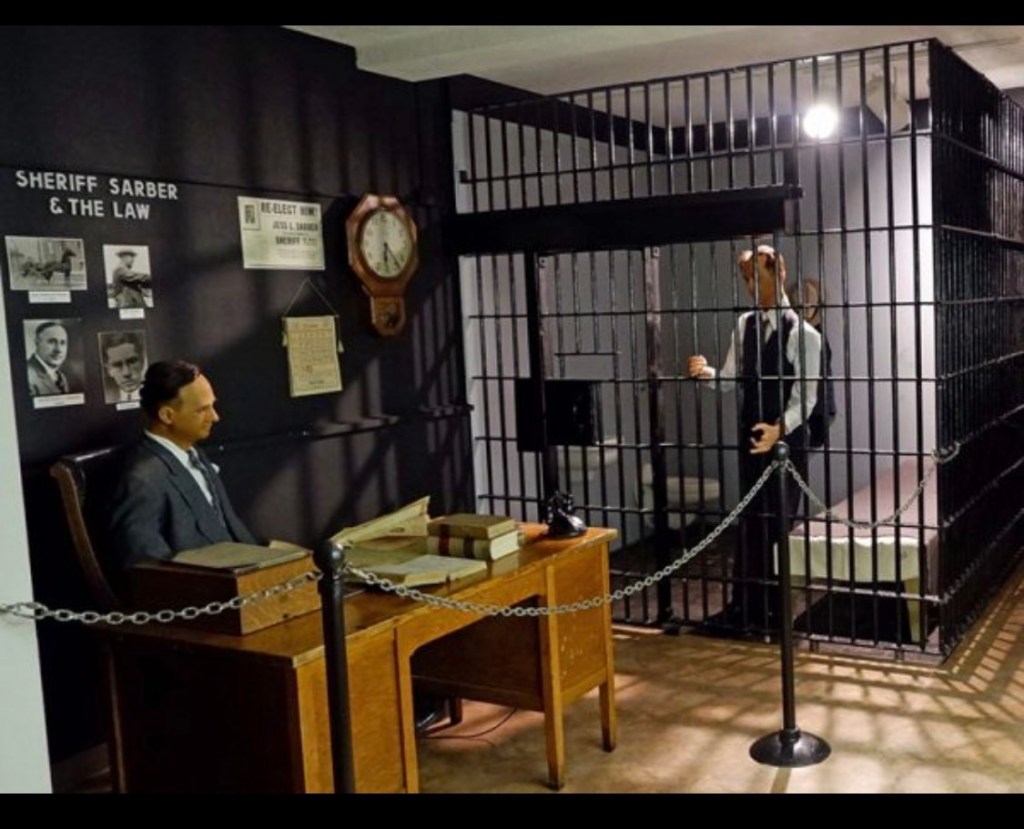
One of the wildest and most intense parts of Allen County history is the John Dillinger story. The museum highlights the real history connected to Dillinger’s time in the Allen County Jail and the jailbreak that turned deadly.
The story isn’t just “true crime.” It’s a reminder that public service can be dangerous—and that our local history intersects with national history in ways most people don’t expect.
The MacDonell House: a Victorian time capsule from 1893
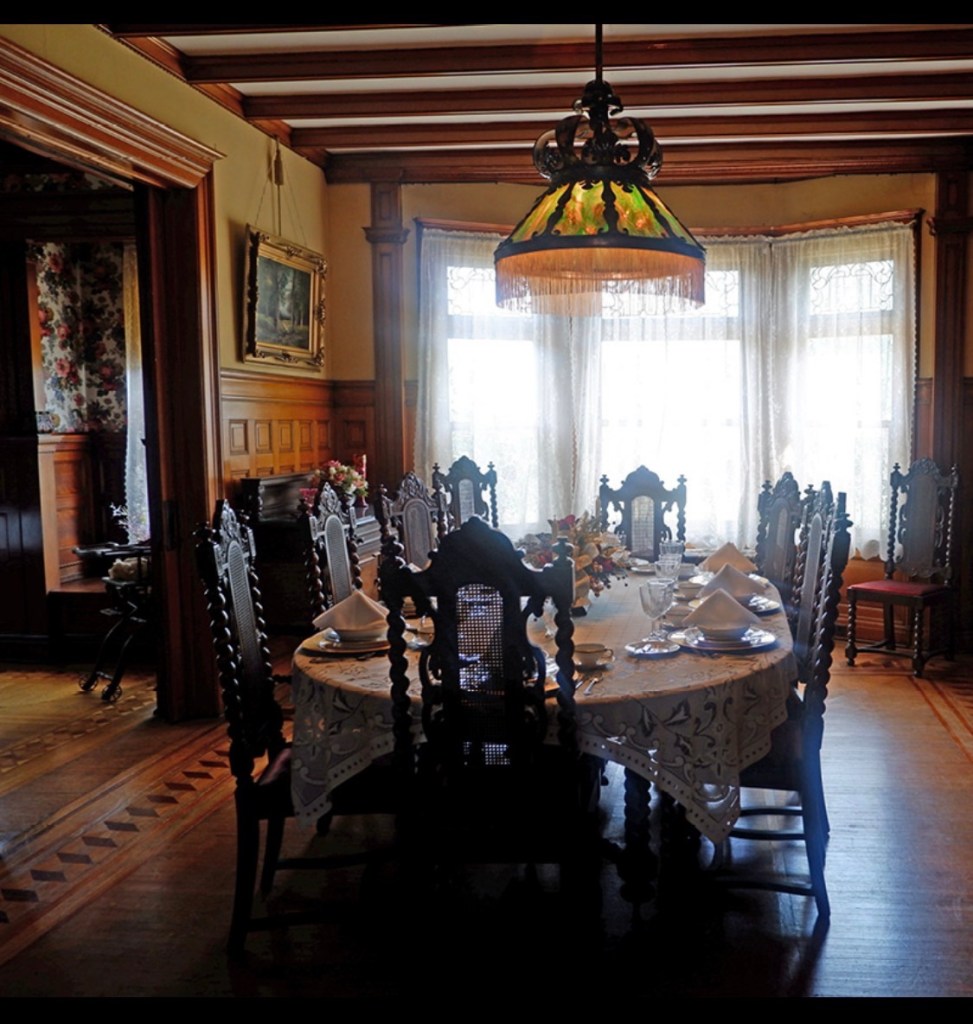
Right next to the museum is one of my favorite parts of the whole experience: the MacDonell House— a historic 1893 Victorian mansion operated as a house museum.
This place is a straight-up time machine. It showcases Lima’s oil boom prosperity with elaborate woodwork, stained glass, and period furnishings. Built for confectioner Frank Banta, it features incredible details like parquet floors, coffered ceilings, and hand-carved oak, cherry, and mahogany—offering a glimpse into the lives of the five families who lived there before its donation by the MacDonell family.
Fun thought: Walking through the MacDonell House makes you realize something— history isn’t just dates. It’s the way people lived, what they valued, and what “success” looked like in that era.
Why I’m proud to work here
Working at the Allen County Museum has made me appreciate Lima more. It’s made me realize we’re not “just some small town.” We’re a place with deep roots—industry, innovation, stories, tragedy, resilience, and a whole lot of people who built something that still matters.
And personally? It feels good to be part of preserving that. Even if my job is behind the scenes sometimes, it still matters. It’s honest work in a place that stands for something bigger than any one person.
If you’re from Lima—or even just passing through—go visit. Take your time. Read the signs. Ask questions. You’ll walk out knowing more than you did walking in, and you might even feel a little more connected to where you’re standing.
Josh Bridges
 YOU {R} NOT ALONE YOU HAVE A VOICE!